Ceramic coatings and paint sealants solve the same core problem, but in very different ways. Both aim to protect a vehicle’s finish from UV, fallout, road grime, and the countless micro-scratches that creep in from weekly washing. The difference sits in chemistry, longevity, prep demands, and how they fit your real driving and maintenance habits. If you’re weighing options for a daily driver, a garage-kept weekend car, or even a workhorse boat or RV, it helps to see how each protection behaves in the wild, not just on a spec sheet.
I have applied hundreds of coatings and thousands of sealants across everything from one-year-old family SUVs to jet-black exotics that never see a tunnel wash. The same patterns keep showing up. Coatings ask for more up front, then give back over time. Sealants ask for less at install, then ask for more maintenance later. Both can look brilliant when done right. Both can disappoint when the foundation is weak.
What each product actually is
Sealants are synthetic polymer protectants. They bond to paint through electrostatic attraction and light chemical interaction, forming a thin, flexible film. They were a revelation when they took over from carnauba waxes, delivering months instead of weeks of durability. They still win on speed, affordability, and user friendliness. Modern sealants often contain gloss enhancers and some level of hydrophobics, which translate into pleasing water behavior and easy wipe-downs.
Ceramic coatings are liquid polymers, typically based on silicon dioxide, that crosslink and cure into a harder, denser layer on the paint. They need clean, naked clearcoat to grab onto, which is why proper prep matters. Once cured, a ceramic coating is more resistant to chemicals, UV, and heat than traditional sealants. Good ones are also thicker, often measurable in microns rather than the whisper-thin film a sealant leaves behind. They bring better resistance to etching and wash-induced marring, though not invincibility.
The feel and look on real cars
If you line up two identical cars, one with a quality sealant and one with a true ceramic coating, most owners will see similar gloss on day one. Freshly polished paint tends to look great under anything. The difference becomes apparent after six months of real use and a handful of imperfect washes.
Sealants have a lively, wet gloss that flatters light colors and metallics. They sheet water decently, bead reasonably, and make drying safer and faster. The beading usually falls off after two to four months in daily-driver use, sooner if exposed to frequent tunnel washes or harsh winters. A quick topper can snap the look back, which is part of the appeal. You can rebuild the shine in twenty minutes.
Ceramic coatings trade a little of that candy-wet aesthetic for a slicker, tighter, glassier look. The shine reads clearer, more mirror-like, especially on dark solids and black wheels. Beading is tighter and more persistent. The surface stays cleaner between washes because dirt has less to grab onto. After a year, that glassy clarity tends to hold, while a sealant vehicle often needs a deeper reset to recover the look.
Durability, honestly measured
Product labels promise big numbers for both categories. Those numbers matter less than user behavior and prep quality. I judge durability by how long the surface maintains meaningful hydrophobics, resists traffic film build-up, and shrugs off common chemical exposures.
- Well-prepped sealants: two to five months of strong performance for daily drivers, stretching longer for garage-kept or fair-weather vehicles. With consistent upkeep, you can run a sealant indefinitely and keep the car looking fresh. Ceramic coatings: 18 months to several years, depending on the chemistry and the environment. Shorter-lived “ceramic sprays” fall somewhere between a sealant and a true coating in both prep needs and durability. Full coatings that require a cure period and have installer guidance usually justify their claims if maintained correctly.
Where coatings pull ahead is chemical resilience. A strong all-purpose cleaner or an alkaline pre-soak can collapse a sealant’s beading quickly. A mature ceramic coating will tolerate harsher chemicals before showing distress, which matters if you deal with heavy winter grime, coastal salt, or frequent bug activity on a highway commute.
Prep is not a checkbox, it is the job
No protection product beats bad prep. If I had to choose between a perfect paint correction followed by a good sealant, or a rushed one-step with a ceramic coating, I would pick the corrected-and-sealed car every time. Clarity comes from the finish beneath the protection, not the protection itself.
For sealants, a wash, chemical decon, and mechanical decon, then a light polish on soft paint is usually enough. If you are pressed for time, you can even live with a thorough decon and an IPA wipe on a less fussy vehicle. Sealants are forgiving.
Ceramic coatings want surgically clean paint and at least a light machine polish, even on new cars. New paint carries transport film, dealership glazes, and micro-marring from lot washes. The cleaner the surface, the stronger the bond and the more uniform the coating layer. On older or neglected paint, a multi-stage paint correction pays off. Skipping this step to “see how it goes” often leads to high spots, smeary patches, or inconsistent performance.
Wash and maintenance reality
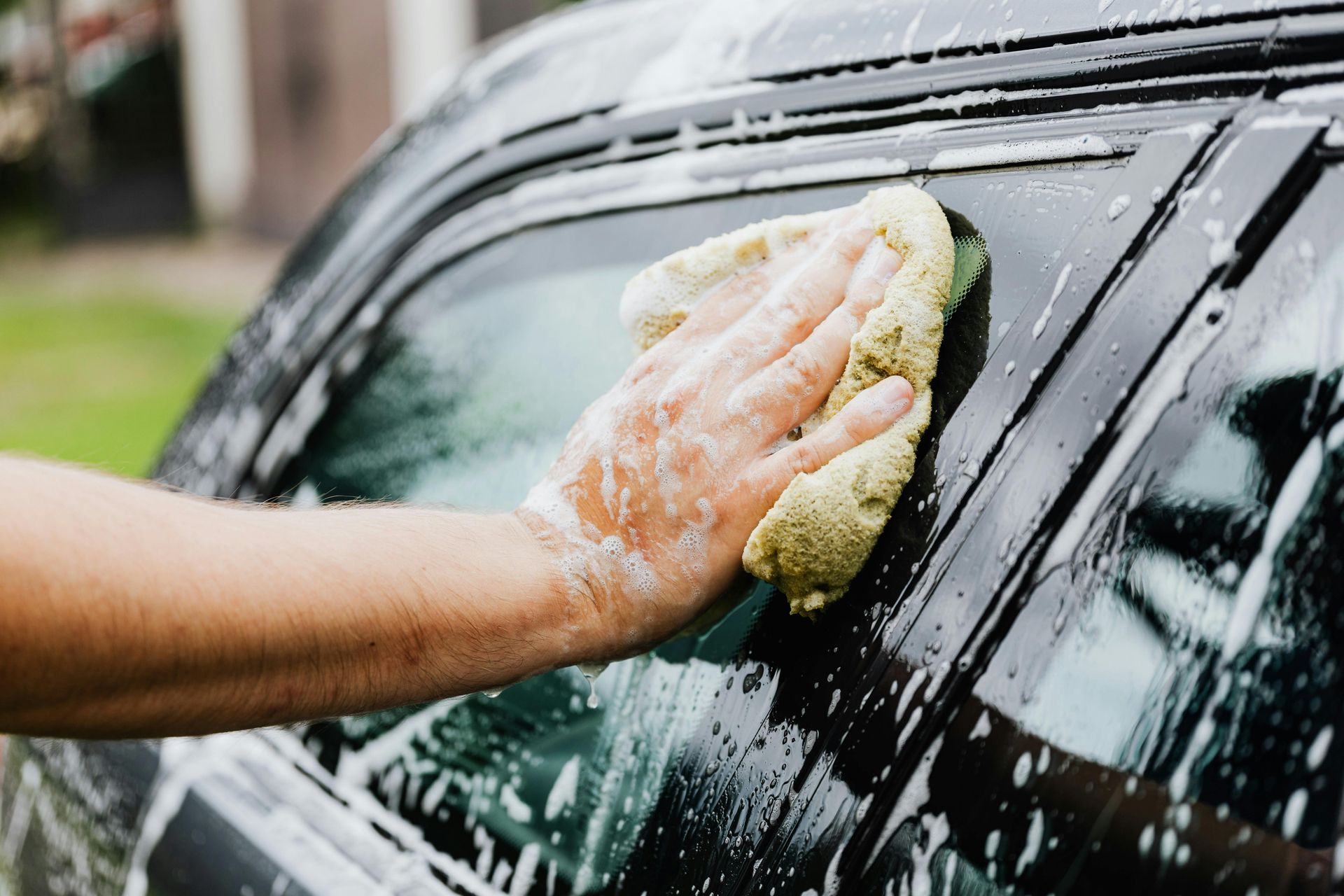
A big reason people choose coatings is to make routine care easier. That benefit shows up, provided you still wash correctly. The coating lowers friction, so dirt releases quickly and dries faster with fewer towels. A foam pre-soak and a careful two-bucket wash make quick work of a weekly clean. If you slide back into drive-through brushes, you will still install swirls. A coating resists marring better than naked paint or sealant, but it is not a magic shield.
Sealants, on the other hand, reward the owner who enjoys a quick detail once a month. A short wash and a spray topper keep them snappy. If you like to tinker with products and add a new layer seasonally, a sealant system fits that rhythm. If you would rather set a foundation once and keep it healthy with neutral soaps and an occasional maintenance topper, a ceramic coating feels like less work over the long arc.
Cost and where value hides
Upfront pricing is higher for coatings, especially when paired with proper paint correction. The return comes later, in time saved on maintenance and the way the finish resists aging. Owners who plan to keep a vehicle for five to eight years, or who have high-value finishes like deep blacks or matte paints, often see coatings as a smart investment. People who lease, swap vehicles every two to three years, or run work trucks that take frequent abuse may do better with a fast-cycling sealant routine.
Materials matter less than labor. A professional-grade coating is not a miracle jar. It is a system that includes decontamination, correction, panel prep, methodical application, and careful curing. The finish you see a year later is more about that process than the label on the bottle.
Where each shines: daily drivers, garage queens, and utility vehicles
Daily-driver sedans and crossovers benefit from coatings because they live outside and see inconsistent wash technique. A well-applied coating keeps them cleaner, reduces winter film, and softens the blow from alkaline touchless washes when you cannot hand wash every week.
Weekend toys, especially those that stay garaged and get doted on, can swing either way. If you like to refresh the finish before cars and coffee, a premium sealant routine scratches that itch. If you want the paint to resist micro-marring and fingerprints without frequent product layering, a coating helps preserve that deep mirror effect.
Work trucks, vans, and fleets do well with a robust sealant schedule. The vehicles often cannot be off the road for coating cure times, and the paint lives a harder life. A simple, repeatable sealant application every few months is easy to standardize across a fleet.
Wheels, glass, and trim: different rules for different parts
Wheels face high heat and corrosive brake dust, so ceramic wheel coating earns its keep. I have seen coated wheels clean up with a gentle shampoo after a salty winter, where uncoated or sealed wheels need heavy citrus or iron removers every time. Wheel coating turns a twenty-minute scrub into a five-minute rinse and wipe.
Glass coatings are useful for visibility, but they act differently than paint coatings. They encourage water to fly off at speed and resist wiper chatter when paired with fresh blades. On city cars that see lots of stop-and-go, a good glass sealant with frequent refreshes can be just as practical.
Textured trim loves a ceramic dressing or trim-specific coating because it prevents fading and chalking. Unlike shiny paint, plastic benefits from the deeper UV protection ceramics can provide. A good trim coat can hold its color for a year or longer with proper washes.
Marine detailing and RV use cases
Boats and RVs chew through protection faster than cars. UV intensity, water minerals, and the sheer square footage gang up on sealants. In marine detailing, ceramic coatings offer two major wins, resistance to oxidation and easier descaling after hard water. Gelcoat responds well to ceramic layers because the substrate is tougher than automotive clear but prone to chalking. The preparation is heavier, usually involving compounding to cut oxidation, then a polish stage. After that effort, the coating slows the return of oxidation and makes rinsing salt and scum lines less of a battle.
RV detailing sits between auto and marine. The surfaces are often fiberglass or painted panels, with seams and sealants that demand care. Ceramic coatings tame road film and black streaks, but the prep and reach add complexity. If you store the RV outdoors year-round, a coating saves you hours on each wash. If you only travel seasonally and store indoors, a quality sealant reapplied in spring and mid-summer may be all you need.
The paint correction question
Paint correction is the fork in the road where budgets and goals split. If you intend to coat, invest in correction first. Leveling the clearcoat removes the micro-swirls that scatter light, so the coating amplifies clarity rather than locking in haze. On soft Japanese clearcoats, a finishing polish can transform the look even on low-mileage cars. On hard German paints, a compound-plus-finish sequence may be required to fully reset the surface.
For a sealant plan on a daily driver, you can often settle for a one-step polish that improves 50 to 70 percent of the defects. That returns a majority of the gloss quickly, and the sealant will visually smooth the rest.
Where headlight restoration fits
Headlight lenses, usually polycarbonate, oxidize and haze from UV. Restoration involves sanding the damaged layer, polishing clarity back, and then sealing the surface. A ceramic coating on a freshly restored lens holds clarity longer than a simple sealant because it better resists UV and chemical wash cycles. On vehicles that live outside, this is not a minor difference. A well-applied ceramic layer can keep lenses clear for a year or more, where a sealant may need quarterly refreshes. It is a small area with a big impact on nighttime safety.
Interior coating vs. interior sealants
Interiors have their own variants. Fabric coatings create a hydrophobic barrier that makes spills bead and blot up, valuable for families and rideshares. Leather and vinyl coatings add abrasion resistance against denim dye transfer and keys. Sealants and dressings still work, but they tend to wash away faster with body oils and cleaners. If your cabin sees heavy traffic, an interior coating on high-touch zones like bolsters, armrests, and steering wheel trim carries its weight. If you prefer a natural, matte look that you refresh monthly, interior sealants and modern water-based dressings are easy and forgiving.
What we see in mobile detailing practice
Mobile detailing throws curveballs, wind, temperature swings, and time crunches. Ceramic coating application windows tighten in cold or humid conditions. Surface temperature matters. Shade matters. When we coat outdoors, we plan for panels to stay stable through flash and initial cure, and we always hold back a panel if conditions get tricky. Sealants are less fussy outside. If your only space is a driveway under trees, that may tilt the decision toward a sealant routine, or toward scheduling a ceramic job on a calm, mild day.
At On the Spot Mobile Detailers, we build the service plan around the environment first. If the site is a breezy lot and pollen is snowing down, we might push a ceramic appointment by a day and lay down an interim sealant after paint correction so the owner drives a glossy, protected car in the meantime. That kind of sequencing keeps the finish safe without forcing a high-stakes coating into a bad weather window.
On the Spot Mobile Detailers: how we decide with clients
When a client asks whether to choose a ceramic coating or a sealant, we start with candid questions. How often do you wash, and where? Do you use a tunnel? How long do you plan to keep the vehicle? Is it parked outside? Have you had issues with water spots or bird etching? The answers guide the path more than brand names or longevity claims. If a client enjoys weekend tinkering, we teach a sealant maintenance rhythm. If they want a low-touch experience, we design a ceramic system that survives their actual wash habits.
One practical example involved a black midsize SUV parked car detailing street-side under maples. The owner traveled often and used a nearby touchless wash. We corrected the paint to remove two years of swirls, then installed a mid-tier ceramic coating with strong chemical resistance. We paired it with a neutral shampoo, a drying aid that is coating-safe, and a quarterly check. A year later, the beading and gloss were still strong despite winter pre-soaks and spring pollen. That use case often sinks sealants quickly unless the owner can reapply monthly.
Choosing by panel: mixing strategies
You do not have to treat the entire vehicle the same. I often ceramic coat high-abuse areas and use sealants elsewhere. Wheel coating, as mentioned, pays dividends. Door cups, door edges, and trunk lips collect fingernail nicks and grime, and a ceramic layer reduces transfer and staining. For the rest of the body, a sealant that you enjoy applying can keep the look lively.
On white or silver cars, the difference in look between coating and sealant is slimmer, so this hybrid approach makes sense. On black or very dark colors, uniformity can matter more. A full-body ceramic coating delivers the consistent, wet-glass aesthetic that dark paint owners tend to chase.
What can go wrong, and how to avoid it
With sealants, the common failure is layering over contamination. If you trap traffic film or iron residue, the film breaks down in sheets, and you see patchy beading. A thorough decon fixes most of this. Another frequent issue is strong detergents tearing a sealant down early. Switching to a pH-neutral soap and a milder pre-wash extends life.
With ceramic coatings, high spots and streaks are the usual culprits. These are application residue that was not fully leveled before curing. Under shop lights they are obvious. Under driveway shade, they can hide until the sun hits them later. The older the high spot, the more correction it takes to remove. Work small, control lighting, and monitor flash times. If a panel feels grabby during wipe-off, stop and reassess. Temperature and humidity might have changed since you started.
Water spotting is another ceramic risk. Coatings reduce mineral adhesion, but if hard water dries on a warm panel, you can still etch the surface. Early in a coating’s cure, avoid sprinklers and midday sun. Keep a soft towel and a quick detailer in the trunk for emergency rinses on summer trips.
Paint types and their quirks
Soft clearcoats, often found on certain imports, mar easily in wash cycles. A ceramic coating provides a harder surface that reduces the visual impact of wash-induced micro-marring. It does not turn soft clear into granite, but it raises the bar. On these paints, even a careful sealant routine may show faint wash lines after a month.
Hard clearcoats, common on German cars and trucks, tolerate sealants well. They also respond dramatically to thorough correction before coating. The payback is a deep, liquid reflection that stays put because the underlying clear resists deformation.
Single-stage paints and matte finishes need specific approaches. Traditional sealants can darken and unevenly gloss matte paint, which ruins the look. Matte-safe ceramic coatings preserve the factory sheen while adding chemical resistance. On oxidized single-stage, thorough polishing followed by a sealant might be the move if you plan frequent refreshes, but a ceramic layer can slow the return of oxidation when prepped correctly.
Where On the Spot Mobile Detailers lands on RV detailing specifics
On tall RV sides, runs and missed leveling are the enemies of ceramic work. Our process uses tight tape lines, controlled sections, and generous lighting on stands. We often ceramic coat the front cap and leading edges where bug etching punishes finishes, then use a durable sealant on the long, high sides if access or conditions are marginal. That compromise keeps travel days easier, since road grime slides off coated impact zones, while maintenance on the flanks remains straightforward with quick-sealant refreshes mid-season.
A simple decision framework
Use this as a quick filter, then adjust for your habits and environment.
- If you want the longest-lasting protection with less frequent reapplication, and you can support careful prep and cure conditions, choose a ceramic coating. If you enjoy quick refreshes, want flexibility, or your environment makes controlled application difficult, choose a quality sealant and reapply seasonally. If wheels and high-touch areas frustrate you, ceramic coat those zones even if you seal the rest. If you rely on touchless or strong pre-soaks in winter, a ceramic coating’s chemical resistance usually pays off. If you change vehicles every couple of years, a sealant routine may make better economic sense.
Special cases: wheel coating, residential coating, and niche services
For people who wash in their driveway and want a low-mess routine, coating high-splash areas helps keep siding and concrete cleaner during rinse-downs. What some call residential coating extends beyond the vehicle, protecting garage doors, coated floors, and even outdoor kitchen panels from oily fingerprints and dust. The same logic applies, increased chemical resistance, easier cleanups, and less need for strong detergents.
Wheel coating deserves a final mention. Brake dust bakes onto bare or sealed wheels quickly. A dedicated wheel ceramic resists that bond, so you can skip acidic cleaners and preserve wheel finishes longer. On vehicles with intricate wheel designs, that reduction in brush time is worth more than the product cost.
Where paint correction meets protection in auto and car detailing
In auto detailing and car detailing, the line between appearance and protection blurs. If you complete a thorough paint correction, you have already invested the majority of the time. That is the perfect moment to choose a protection strategy that preserves the work. A ceramic coating locks in the clarity more durably, especially useful on dark, flat colors. A sealant still preserves much of the gain if you are ready to maintain it with consistent washing and periodic top-ups.
For owners curious about interior coating versus interior sealants, pick your battles. Coat the parts that take abuse, seat bolsters and door grabs, and use lighter sealants or dressings on lower-wear panels where you want a very natural finish. For headlight restoration, finish with a UV-resistant ceramic where possible. For marine detailing, prioritize ceramic on hull sides that see the most sun and scum. For rv detailing, solve the front, roof edges, and slides first.
How long it really takes, and how to plan
A sealant service with decon and a light machine polish often fits inside half a day on a midsize SUV. You can drive immediately and even brave a pop-up shower without worry. A ceramic service with decon and a two-stage correction takes a full day, sometimes two. The vehicle can typically be driven after initial cure, but avoid rain for at least 12 to 24 hours where possible, then baby it for the first week as the coating continues to harden.
When scheduling mobile detailing, watch the weather. Shade, wind, and pollen counts matter. On the Spot Mobile Detailers staggers steps to protect the work, washing and decon early when the air is calm, polishing mid-day under canopies, and applying coatings during the most stable window. If the sky shifts or temperatures spike, we pivot to a sealant finish and reset the coating appointment. That flexibility keeps the result predictable.
Final thoughts from the bay
Ceramic coatings and sealants both have a place in a smart maintenance plan. Coatings shine when you want long-term defense, chemical resilience, and that crisp, glassy finish with less frequent refreshes. Sealants excel when speed, simplicity, and hands-on upkeep fit your life. Neither option forgives poor prep or rough washing. Both reward consistent, gentle care.
If you are deciding for a single car you plan to keep, think about where it sleeps, how you wash, and how much time you want to spend maintaining the look. If you manage a mix, a work truck, a family SUV, maybe a boat or an RV, do not be afraid to mix strategies, coating what suffers the most, sealing what is easy to refresh.
That is the judgment call we make every week at On the Spot Mobile Detailers. Start with the paint in front of you, match the product to the environment, and let process do the heavy lifting. The right choice is the one that fits your habits and keeps the finish looking like you care, not just this month, but next season and the one after that.